
IMAGE

Fig 4

ID
ZDB-IMAGE-211018-32
Source
Figures for Karim et al., 2021
Image
Figure Caption

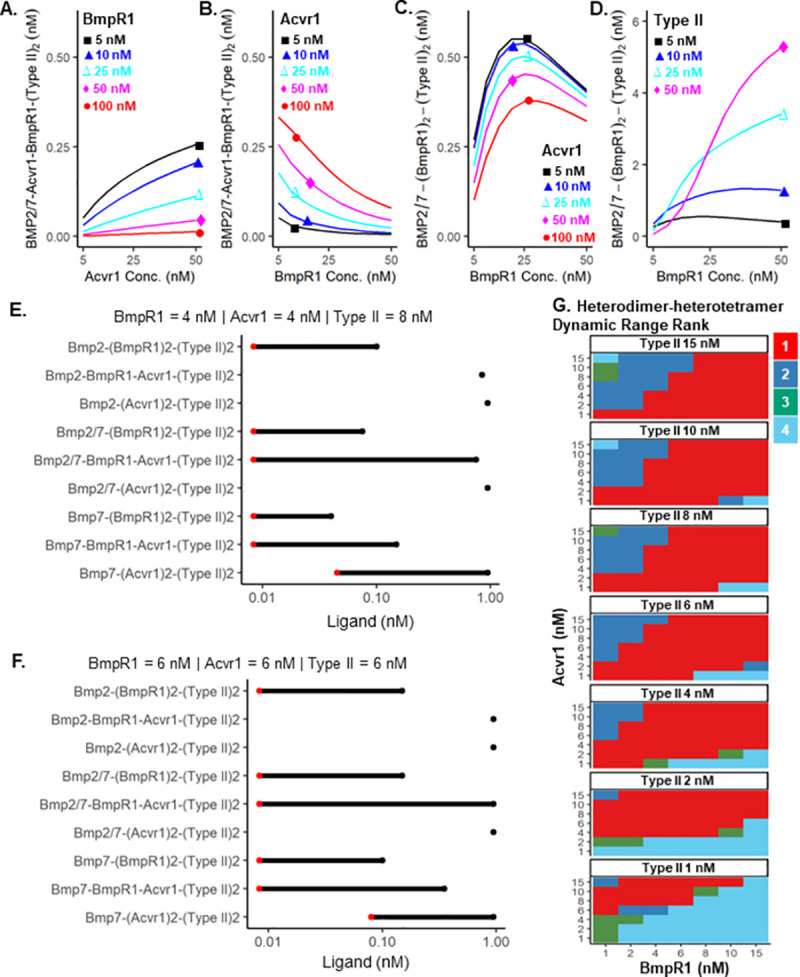
Fig 4 Heterodimer sensitivity and dynamic range.

A-D. Bmp2 = Bmp7 = Bmp2/7 = 0.3 nM; (A-C) Type II = 10 nM; (D) Acvr1 = 10 nM. (A) Bmp2/7-heteromeric receptor complex formation (y-axis) exhibits low sensitivity to Acvr1 levels (x-axis), but B. high sensitivity to increasing BmpR1 levels (x-axis). C-D. Levels of BMP2/7-BmpR1-BmpR1 signaling complexes (y-axis) versus increasing levels of BmpR1 for different levels of Acvr1 C. or Type II D. receptors. E-F. Dynamic range, i.e. ligand concentrations needed to produce a single (red point) ligand-receptor complex and maximal ligand receptor complex (black point) for each of the nine plausible tetrameric ligand-receptor oligomers. Oligomers represented by a single point are unable to produce a single tetrameric ligand receptor complex at these ligand and receptor concentrations. The red point signifies, for each tetramer, the higher of a single molecule of ligand, or G. Shows a 343 point parameter screen measuring dynamic range under different receptor concentrations. The heterodimer-heterotetramer has the largest dynamic range in 63.56% of the tested conditions.

Acknowledgments
This image is the copyrighted work of the attributed author or publisher, and ZFIN has permission only to display this image to its users. Additional permissions should be obtained from the applicable author or publisher of the image. Full text @ PLoS Comput. Biol.